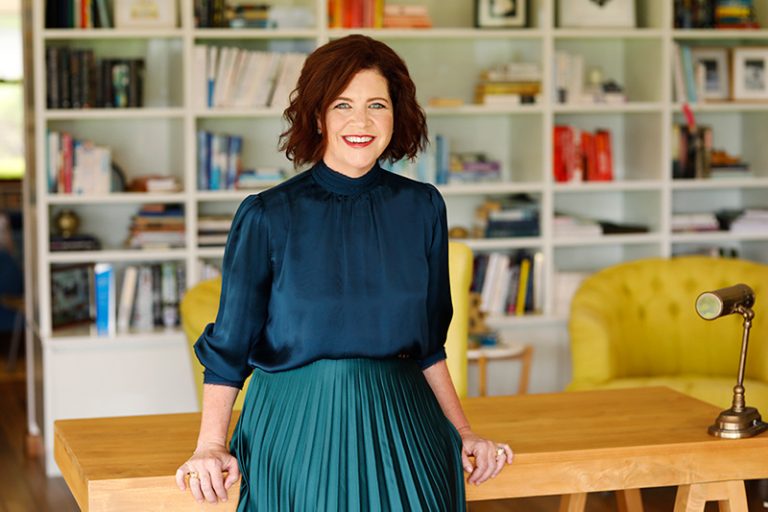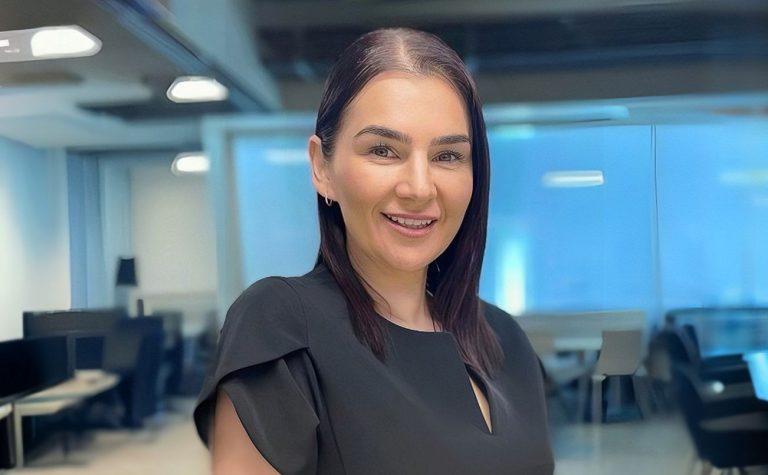
Interview tips: With 20 years’ experience interviewing candidates, Churchill Education co-founder Tricia Velthuizen shares the 5 key things employers and recruiters look for when they interview someone for a role.

When I was growing up, there was a television show I just loved. You may have heard of it: “Happy Days”. It was a show that ran from 1974 to 1984 and featured Ron Howard as Richie Cunningham and Henry Winkler as Fonzie. In its day, it was huge!
With time Ron Howard went from being a child actor to one of Hollywood’s best known and most successful film directors. Chances are you’ve seen one of his films … whether it was Darryl Hannah in Splash, Apollo 13 or even Solo: A Star Wars Story, he has covered the full spectrum of films.
Anyway, recently, I stumbled across a podcast interview with Ron Howard and so I listened in drawn by memories of those happy days.
Ron Howard was talking about when he moved from experiencing the casting process as an actor to sitting on the other side of the desk as the director. It taught him something important.
When actors audition for a role, it is a job interview.
Ron Howard realised that when actors walked into the room, they all had the skills needed to do the job. The place was full of talent. Rejecting someone for a role, unless they had been really offensive or come in drunk came down to more than a question of whether they had the talent to do the role. A rejection didn’t mean you lacked talent. It just meant someone else fitted the role better at the time.
In fact, it was really about a range of other factors that were beyond the individual actor’s control: like how would they fit in with the whole cast and the crew?
What was the gap the director was wanting to fill? What was the director’s vision for putting the film together? What were the trends in films and the community at the time?
As Ron Howard talked, the conversation reminded me of what I have learned interviewing people for jobs over the last 20 years.
There are 5 key areas covered in an interview process that you are being considered against:
- Are you Able?
- Are you Amiable?
- Are you bringing appropriate Attitude?
- Are you Adaptable?
- Are you Aware?
1. You are Able.
I never invite people in for an interview if I don’t believe they have what I am looking for on a technical, skills or knowledge level. It would waste their time and waste my time to do so.
By the time you walk in for a job interview, you can pretty much guarantee you have the fundamental skills and knowledge necessary to do the job. You have the aptitude that is required. You have the experience needed. You have provided a resume and covering letter that gets the stamp of approval. You have the qualifications required.
Important note: Make sure you hold qualifications that back up your experience. Without them, you might not make it to the interview stage at all:
Find out what you’re eligible for
You have presented your application in a way that has demonstrated all of this.
You are Able: that’s the first tick.
Give yourself the thumbs up and from here, start shifting focus.
The interview gives the employer or recruiter the chance to determine whether you meet the intangible qualities they are looking for to ensure you are the right choice for the team.
Primarily, this comes down to these next important areas…
2. Are you Amiable?
The reality is we hire people we like, friendly folk. No-one ever wants to add someone who is cold and grumpy, or whom they dislike to a team. When was the last time you heard a colleague walk out of an interview room saying, “He/she was completely obnoxious and we all dread the idea of working with him but he has the experience so we hired him?”
Why would you when you have other candidates to interview who meet the fundamental requirements for the role?
So, first of all – be yourself, your warm and friendly self. You don’t have to be the life of the party but you do need to bring your best self into the interview.
The biggest barrier to being your best self is nerves.
It is normal to feel nervous in a job interview – and in these days of video interviews, it can feel even more nerve wracking to stare at your own live feed on the screen.
Here are a few quick strategies we recommend for dealing with nerves:
- Remember, this is just as much you deciding if this job is the right fit for you, as it is for the interviewer deciding if you are going to be the right fit for the organisation. Acknowledging you have some control here helps put you on a more even footing in the interview.
- Put the interview in perspective – it is some minutes of your life, maybe even a couple of hours, but at the end of your interview, life will tick on. You will walk outside, see the sky, talk to someone you like, pat the dog. No awkwardness lasts forever.
- There is a question I ask myself whenever I am speaking in front of a crowd and nerves are at risk of taking over. It is the same question that can serve you well in an interview. Ask yourself: what is in me for you? What do you have to give to this organisation? Regard the interview as an opportunity to give something of yourself to the organisation, a conversation about being helpful. Most Australians are actually pretty good at lending a hand to others.
3. What is the Attitude you bring to a role?
Your attitude is the way you think or feel about something and this then flows through to your behaviour.
For example, you may be someone who highly values paying attention to the process and procedures. Or you may be someone who focusses less on the detail and more on the big picture.
There is a place for each sort of focus in a team.
But sometimes, the interviewer is trying to look for someone just like themselves who brings the same attitude (thoughts/feelings) and then behaviour to the team as they do.
Or an interviewer may recognise there is a gap in the team – for example, that they are missing someone whose attitude focusses on achieving results in tight timelines and less finessing the details.
If you listen carefully to the interviewer and what they are saying, you may be able to glean the direction they are heading. You may bring the right attitude that they are needing and you can give examples of how you will bring just the attitude and behaviour they are looking for …
Or perhaps this is not a gap you can fill. Better to know sooner than find yourself in a role that doesn’t suit you at all.
4. Are you Adaptable?
If we learned anything over the last couple of years, it is that change comes to all of us.
We don’t have to like it but we do have to adapt to it.
An interviewer may want to explore how you have handled situations in the past, but they are focussing on that past ability to reliably predict your future behaviour.
So when you are responding to questions, talk about what you learned (remembering that all learning is a process of adapting) and how that is of value to what you can bring to a role next.
Being adaptable balances your ability to learn from what is behind you and lean into what is ahead of you.
Find out what you’re eligible for
5. Are you Aware?
In any industry, there comes shifts – shifts in what customers/clients demand, shifts in what community values require, shifts in what technology can offer, shifts in how the work is done. Every workplace has a degree of risk management and compliance – just as much as we have opportunities.
When I am interviewing, I am looking for that awareness in the interviewee. Someone who is aware is a learner – both in the technical skills and knowledge that every role requires and in the soft skills that are increasingly desired in workplaces.
Someone who is aware can grow with an organisation.
What can you show in this interview that demonstrates your awareness of key weaknesses in industries and highlights your insight into future opportunities?
These are the value-add conversations to have in any interview.
When you walk out of the interview room, remind yourself: you walked into the room because you could do the job.
Now it is a question of if you will be doing the job here – or somewhere else.
Determining the outcome of the interview is a two-way street.
Take the time to reflect on what you did well, what you could work on?
Then ask yourself, is this really the organisation you want to work for and the team you want to join? Does this interview process demonstrate this organisation will meet your needs just as much as you can meet its needs?
Is this team Amiable?
Will it offer an appropriate Attitude to you as an employee?
Is the organisation Adaptable?
Is the organisation Aware?
Randall and I have always said there are no perfect employers and no perfect employees. An interview is about determining if you meet each other’s needs and have enough in common to work together happily anyway.
Life’s too short to do otherwise.
Take care – and remember, if you need help to make sure you have the qualifications that tick off the “You are Able” column, we are here to help.
Stay safe,
Tricia